




Blue Cross & Blue Shield Insurance

All products, logos, and company names are trademarks™ or registered® trademarks of their respective holders. Use of them does not imply any affiliation with or endorsement.
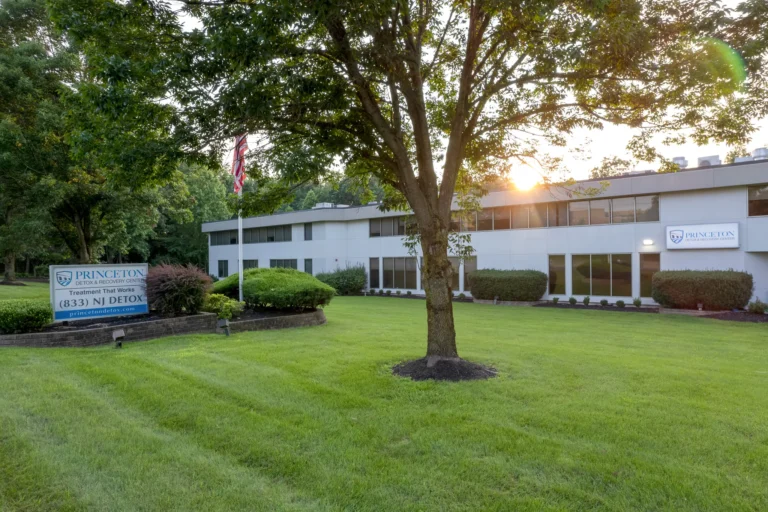
Princeton Detox & Recovery Center is the tri-state area’s leading addiction detoxification center, and as such, we will manage your specific case with the individualized treatment plan that is most effective and beneficial to you. This includes working closely with Blue Cross, Blue Shield to help cover the cost of treatment and ensure its affordability.
Blue Cross, Blue Shield is one of several major insurance providers accepted by the Princeton Detox & Recovery Center. Your Blue Cross Blue Shield coverage may pay some costs of your inpatient treatment, outpatient services, or after care programs. Factors considered include past use of coverage for substance abuse treatment or inpatient mental health services, the details of your individualized treatment plan, and the stipulations of your specific BCBS plan.
Blue Cross Blue Shield is an association of 36 American health insurance companies with 106 million members nationwide. Founded in 1929, the healthcare provider is a leader in the healthcare industry, especially in prevention and treatment of substance abuse disorders and response to the growing opioid epidemic. BCBS covers treatment for alcohol and drug dependency under the arm of the Blue Cross Blue Shield Behavioral Health Care Management Program. For plans that include Behavioral Health coverage, by law, mental and behavioral health services must be provided with the same benefits, deductibles and co-pays as for any other medical or surgical care. Spending limits are not allowed on coverage of essential health benefits, which includes mental health and substance abuse treatment.
Your Blue Cross Blue Shield health plan may cover some or all of the costs associated with detoxification and related medications, as well as inpatient and outpatient addiction recovery services such as the following:
Treatment Programs Covered by BCBS
Your BCBS plan may cover a range of services designed to support lasting recovery. Our main programs include:
Residential Inpatient Treatment Program
A residential inpatient treatment program represents one of the most extensive and structured approaches to addressing substance use disorders, providing 24/7 medical supervision and therapeutic support in a controlled environment.
Individuals immersed in a residential program benefit from individualized care that’s tailored to their specific needs, challenges, and recovery goals. The structured environment allows us to work closely with you through intensive therapy sessions, group counseling, and specialized treatments that address both addiction and any co-occurring mental health conditions.
Family involvement plays an essential role in your recovery journey, which is why we incorporate regular family therapy sessions and educational programs that help rebuild relationships and establish a strong support system for your long-term success. Through our evidence-based approach, we’ll help you develop vital coping skills and strategies for maintaining sobriety.
Partial Hospitalization Program (PHP)
Partial Hospitalization Programs constitute a highly structured care level necessitating comprehensive daily engagement Monday through Friday, customarily involving six to eight hours of intensive programming per treatment day, while enabling individuals to maintain overnight residence within their personal homes. This treatment structure furnishes clinical depth comparable to residential hospitalization through coordinated multidisciplinary interventions while preserving vital family connections and community anchors essential for sustained recovery success.
Programming components regularly featured within PHP contexts encompass thorough medical assessment with ongoing physician oversight, intensive individual counseling exploring addiction root causes and sustainable change strategies, experiential group therapy fostering interpersonal development and collective healing, family reconciliation work addressing damaged trust and communication patterns, and comprehensive educational modules covering addiction science, emotional regulation techniques, and practical wellness applications. This daytime intensive model optimally serves individuals whose clinical requirements surpass standard outpatient capacities yet who demonstrate sufficient residential stability, meaningful family support participation, and foundational personal safety to manage evening periods within home settings without requiring continuous institutional monitoring.
Intensive Outpatient Program (IOP)
Intensive Outpatient Programs establish meaningful treatment engagement demanding structured participation approximately nine to fifteen hours per week, systematically organized across three to five designated sessions permitting individuals to sustain critical vocational activities, educational pursuits, and familial obligations. This treatment configuration delivers focused clinical intervention through rigorous application of research-validated methodologies while enabling participants to preserve employment positions, academic enrollment, and household responsibilities providing economic sustainability and personal identity transcending recovery activities.
Clinical services characteristically integrated within IOP frameworks encompass behavioral modification therapy challenging automatic patterns perpetuating dependency, mindfulness-based interventions cultivating present-moment awareness and urge management capacities, solution-oriented counseling addressing specific obstacles hindering progress, peer-facilitated recovery circles promoting mutual support and shared accountability, and evidence-grounded education programming covering brain chemistry alterations, warning sign recognition, and adaptive response cultivation. The IOP arrangement facilitates immediate practical application of therapeutic learning within authentic daily environments transpiring between scheduled appointments, with participants introducing genuine struggles and victories into clinical contexts for collaborative examination and approach optimization, thereby reinforcing competency development while sustaining essential community involvements and life commitments supporting holistic well-being.
Outpatient Program
Outpatient treatment modalities provide fundamental ongoing professional connection through weekly or bi-weekly therapeutic engagements sustaining recovery trajectories while optimizing personal self-direction in wellness management. This minimally demanding structure typically incorporates one to three clinical contact hours weekly through individual counseling appointments, selective group session attendance, or individualized combinations addressing present requirements and developmental phases.
Therapeutic concentration within outpatient contexts generally emphasizes persistent abstinence monitoring or controlled consumption pattern verification, early recognition of environmental pressures or circumstantial triggers presenting relapse hazards, continuous evaluation of interpersonal support adequacy encompassing relationship health and social network strength, sustained reinforcement of adaptive coping approaches and wholesome behavioral patterns underpinning enduring wellness, and strategic recovery blueprint modifications accommodating shifting life circumstances and evolving personal priorities. Outpatient programming delivers maximum value for individuals having successfully traversed more intensive interventions while evidencing dependable self-management competencies, sustaining vigorous internal motivation propelling continued recovery dedication, maintaining trustworthy external support frameworks encompassing healthy relationships and recovery-aligned social networks, and flourishing with periodic professional consultation and structured accountability rather than frequent intensive clinical supervision.
Virtual Intensive Outpatient Program (IOP)
Our Virtual Intensive Outpatient Program (IOP) offers thorough addiction treatment through secure video sessions, including individual counseling, group therapy, and dedicated family support groups. We’ll help coordinate your personalized care plan with expert medication management and psychiatric services, ensuring you receive the highest level of professional support from the comfort and privacy of your home. Through our integrated telehealth platform, you’ll connect with licensed therapists, medical professionals, and peer support systems who work together to address your unique recovery needs, offering the same quality and intensity of traditional in-person IOP treatment.
• Medical and psychological evaluation
• Individual or group therapy
• Family therapy
• Aftercare programs and case management
What your specific Blue Cross, Blue Shield plan covers is dependent on any of the following factors:
• Your past history of treatment for substance abuse
• A history of inpatient treatment for mental health issues
• If your plan is an HMO with in-network requirements or PPO
• The state you live in where your healthcare plan originated
• Your personal level of coverage via a bronze, silver, gold or platinum level insurance plan

At Princeton Detox & Recovery Center, we believe treatment should be affordable for everyone, and we will do everything we can to be as flexible as possible in working with your health insurance provider. Call (888) 693-1769 with your health insurance-related questions to see if your Blue Cross Blue Shield policy will provide coverage for your stay. Our phone call is completely confidential, but you should be prepared to share the following:
• Your full name and date of birth
• Your policy holder’s name
• Your policy’s group and member number
Our Treatment Advisors will provide you with an understanding of your insurance benefits as they apply to your stay at the Princeton Detox & Recovery Center. It is our goal to make our services as accessible as possible, and for you to begin your recovery as soon as possible. Addiction is difficult battle, but long-term sobriety is possible. Treatment Advisors are standing by to speak with you today.